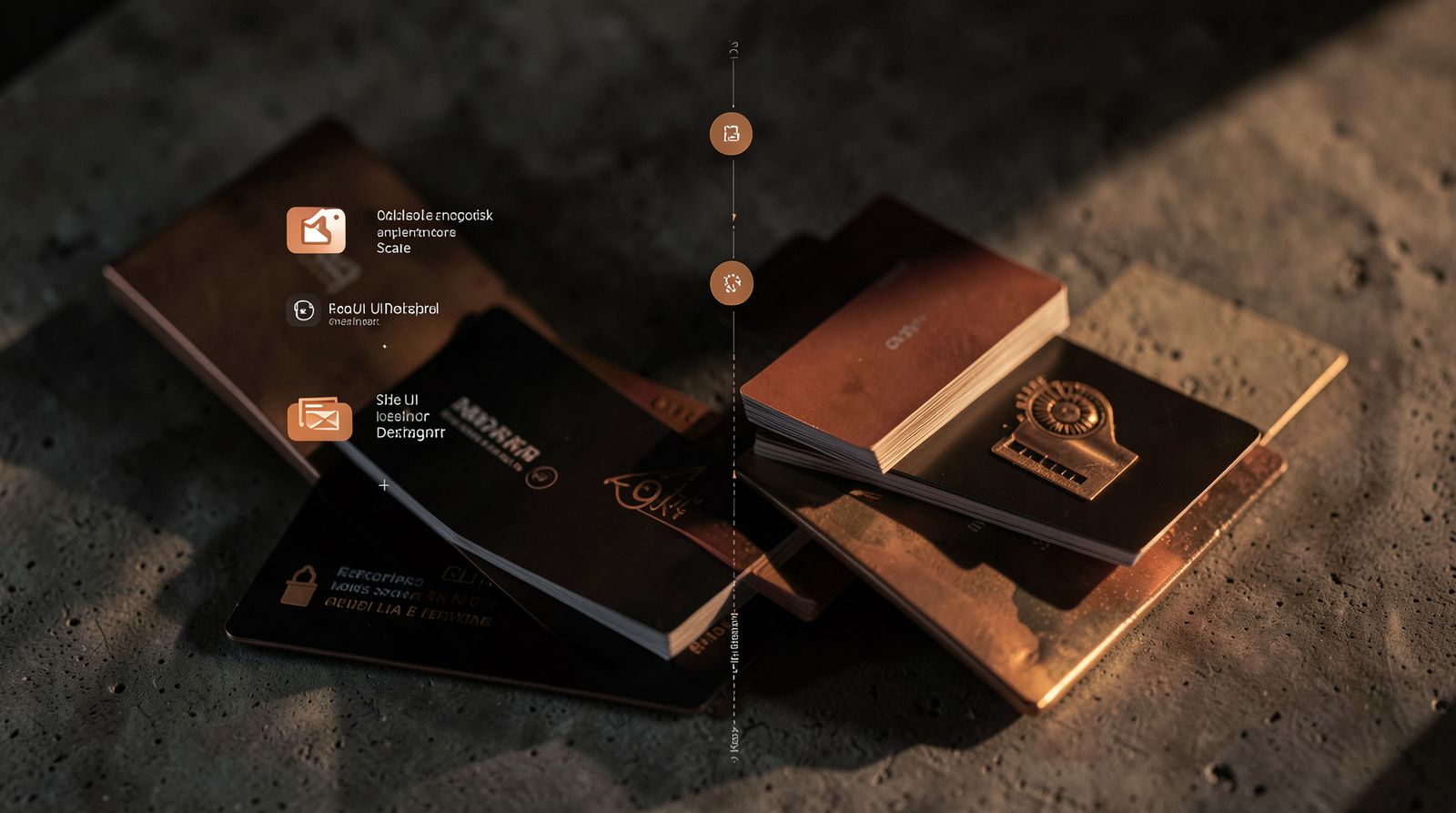
In the world of product still photography, the backdrop is more than just a passive setting – it's an active participant in the narrative. For years, seamless paper has been the industry standard, providing a clean and distraction-free environment for showcasing products. However, a growing trend among top photographers and brands is challenging this convention: the use of raw concrete slabs as backdrops.
The Rise of Raw Concrete in Product Photography
Raw concrete, with its rugged texture and industrial aesthetic, brings a level of depth and authenticity to product stills that seamless paper simply can't match. This shift towards more tactile and textured backgrounds is not just about visual appeal; it's about creating a more engaging and immersive experience for the viewer.
%22%3E%3Cstop%20offset%3D%220%25%22%20style%3D%22stop-color%3A%231C1C1C%22%2F%3E%3Cstop%20offset%3D%2250%25%22%20style%3D%22stop-color%3A%23D4AF77%22%2F%3E%3Cstop%20offset%3D%22100%25%22%20style%3D%22stop-color%3A%23E85D5D%22%2F%3E%3C%2FlinearGradient%3E%3C%2Fdefs%3E%3Crect%20width%3D%22800%22%20height%3D%22500%22%20fill%3D%22url(%23g)%22%2F%3E%3C%2Fsvg%3E)
One of the key advantages of using raw concrete slabs is their ability to add a sense of scale and context to the product. The rough, uneven surface of the concrete creates a natural contrast with the smooth, often sleek surfaces of the products being photographed. This contrast not only makes the product stand out but also grounds it in a real-world environment, giving viewers a better sense of its size and texture.
Why Raw Concrete Outperforms Seamless Paper
- Texture and Depth: Raw concrete provides a rich, tactile quality that adds depth to the image. The variations in texture and color create a more dynamic and interesting background.
- Authenticity: Concrete is associated with industrial and urban environments, lending an air of authenticity and ruggedness to the products photographed against it.
- Versatility: While seamless paper is limited to a smooth, uniform look, raw concrete can be manipulated in various ways – from staining and polishing to leaving it in its raw state – offering a wide range of aesthetic possibilities.
Practical Considerations for Using Raw Concrete
While the aesthetic benefits of raw concrete are clear, there are also practical considerations to keep in mind. Working with concrete requires a different approach than using seamless paper. For instance, the texture of the concrete can create challenges in terms of lighting, as it can produce harsh shadows and highlights.
To mitigate these issues, photographers often employ specialized lighting techniques, such as using softboxes or diffusers to soften the light and reduce harsh shadows. Additionally, the concrete surface may need to be cleaned and prepared before shooting to ensure it's free from dust and debris that could distract from the product.
Case Studies: Brands Embracing Raw Concrete
Several high-profile brands have already made the switch to using raw concrete in their product still photography. For example, a luxury watch brand recently used a raw concrete backdrop to showcase their latest timepiece, emphasizing the watch's durability and precision by contrasting it with the rough, industrial texture of the concrete.
Another example is a fashion brand that used concrete slabs to create a gritty, urban aesthetic for their latest clothing line. The raw concrete not only complemented the edgy style of the clothing but also added a layer of authenticity to the brand's visual identity.
Conclusion
The use of raw concrete slabs in product still photography represents a significant shift in how brands approach visual storytelling. By moving away from the traditional seamless paper backdrop and embracing the texture and authenticity of raw concrete, photographers can create more engaging, immersive, and memorable images.
As the industry continues to evolve, it's clear that raw concrete is more than just a trend – it's a powerful tool for brands looking to differentiate themselves and connect with their audience on a deeper level.
Comments
Be the first to comment on this article.